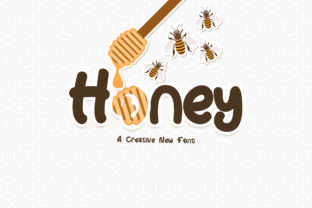
Honey: A Sweet Addition to Design and Education
When it comes to fonts that can bring a touch of whimsy and charm to any project, Honey stands out as a delightful choice. With its childlike playfulness and casual style, this font is more than just a typographic tool—it's an experience. Whether you're working on a school assignment, designing a website, or creating educational materials, Honey has the power to transform your content into something more engaging and visually appealing.
Honey is a display font that exudes warmth and friendliness, making it particularly well-suited for projects targeting younger audiences. Its rounded edges and soft curves evoke a sense of comfort and approachability, which can be especially effective in environments where creativity and learning go hand in hand. From classroom presentations to children's books, the versatility of this font makes it a valuable asset for educators, designers, and creators alike.
The Playful Characteristics of Honey
What makes Honey so unique is its ability to convey a sense of joy and spontaneity through its design. Each letter seems to dance with energy, inviting the reader to pause and appreciate the beauty in the details. This playful nature is not only visually appealing but also psychologically engaging, helping to capture attention and maintain interest—especially when communicating with children or those who enjoy a more lighthearted tone.
The font's structure is designed with a balance between legibility and character. While it may not be ideal for long-form text due to its stylized appearance, it shines in headlines, titles, and short phrases. This makes it an excellent choice for posters, banners, and other visual media where impact and memorability are key. Educators might find it useful for creating eye-catching study guides or interactive learning tools that make information more accessible and enjoyable.
Applications in Educational Settings
In the realm of education, Honey offers a range of possibilities. Teachers and curriculum developers can use it to create visually stimulating materials that cater to different learning styles. For instance, using Honey in flashcards or vocabulary lists can help reinforce concepts in a more engaging way. The font's friendly demeanor can also contribute to a positive learning environment, encouraging students to feel more connected to their lessons.
Additionally, Honey can be incorporated into digital learning platforms and e-books. When paired with colorful illustrations and interactive elements, it enhances the overall user experience by adding a layer of visual interest. This is particularly beneficial for young learners who may struggle with traditional text-heavy formats. By integrating Honey into educational resources, creators can foster a more inclusive and dynamic learning atmosphere.
Practical Uses for Honey in Design Projects
For designers and creatives, Honey opens up a world of creative opportunities. Its distinctiveness allows it to stand out in a sea of standard sans-serif and serif fonts. Whether you're designing a logo, branding materials, or promotional content, Honey can add a unique flair that sets your work apart. Its playful nature is particularly effective in industries such as children's products, entertainment, and lifestyle brands that aim to evoke a sense of fun and positivity.
Consider using Honey in marketing campaigns aimed at families or young adults. It can be used to craft catchy taglines, social media posts, or even packaging designs that resonate with a target audience looking for something fresh and exciting. The font's versatility also means it can be adapted across various mediums, from print to digital, ensuring consistency in branding efforts.
Considerations for Using Honey
While Honey is a fantastic addition to many projects, it's important to consider its limitations. As a display font, it may not be suitable for extended reading sessions or formal documents. Therefore, it's best used in moderation and paired with more readable fonts for body text. Additionally, when choosing Honey for a project, it's essential to ensure that it aligns with the overall aesthetic and message you wish to convey.
Another consideration is the availability of Honey. Like many specialized fonts, it may require a purchase or subscription, depending on the platform from which it's obtained. Before incorporating it into a project, it's advisable to check licensing agreements to ensure compliance with usage rights. This is particularly crucial for professionals and businesses that need to maintain legal standards in their design work.
Real-World Examples of Honey in Action
To better understand how Honey can be applied in real-world scenarios, let's explore a few examples. In a recent children's book illustration, an artist used Honey to create chapter titles that matched the playful tone of the story. The result was a cohesive and charming narrative that captivated young readers while maintaining a sense of continuity throughout the book.
Similarly, a local bakery used Honey in their signage and packaging to reflect their brand identity centered around sweetness and warmth. The font helped reinforce the theme of their business and created a memorable visual experience for customers. These examples highlight how Honey can be effectively utilized across various industries to enhance both the visual appeal and emotional resonance of a project.
Trends and Future of Honey in Design
As design trends continue to evolve, the role of expressive and emotive fonts like Honey is becoming increasingly significant. With the rise of personalized and experiential design, there is a growing demand for fonts that can communicate emotion and personality. Honey fits perfectly into this trend, offering a versatile solution for designers looking to infuse their work with a sense of warmth and charm.
Looking ahead, it's likely that Honey will see continued use in both digital and print media. As more creators seek to differentiate their work in a competitive market, fonts that offer a unique visual identity will become even more valuable. Whether it's for educational materials, branding, or artistic expression, Honey has the potential to remain a popular choice among designers and creators who value creativity and engagement.
Ultimately, Honey represents more than just a font—it's a tool for connection, expression, and innovation. Its ability to brighten up any kids' and school project makes it an invaluable resource for anyone looking to bring a touch of sweetness and playfulness to their work.