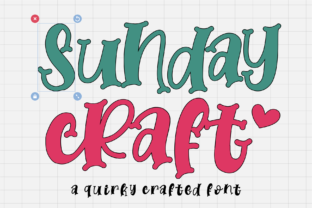
Easter Bunny Font: A Strategic Tool for Creative and Branding Projects
The Easter Bunny font is more than just a playful typeface—it's a strategic asset that can elevate the visual appeal of your projects, whether you're designing marketing materials, creating educational content, or launching an Easter-themed campaign. With its soft curves, whimsical style, and cheerful tone, the Easter Bunny font is uniquely positioned to brighten up any design while also serving practical purposes in branding and communication.
As a designer, marketer, or creative professional, understanding how to use the Easter Bunny font effectively can mean the difference between a generic project and one that stands out. This article explores how to leverage this font strategically, when it makes sense to use it, and what to consider before incorporating it into your work.
Understanding the Easter Bunny Font
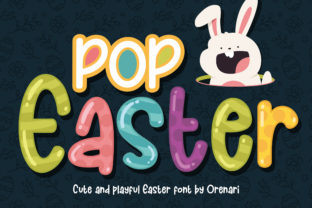
The Easter Bunny font is a display font designed with a playful and fun aesthetic, making it ideal for seasonal themes like Easter, spring, and holidays. Its rounded edges, bouncy letterforms, and light weight give it a youthful and approachable feel. While it may seem like a niche choice, its versatility extends beyond holiday projects—think branding for children’s products, educational materials, or even promotional campaigns aimed at families.
What sets the Easter Bunny font apart is its ability to convey warmth and positivity without being overly childish. It strikes a balance between fun and professionalism, making it suitable for both casual and formal contexts when used appropriately.
Strategic Use Cases for the Easter Bunny Font
When considering the Easter Bunny font for your next project, it's important to align its use with specific goals. Here are some strategic scenarios where this font can add value:
- Seasonal Campaigns: Use the Easter Bunny font for Easter promotions, social media posts, or email newsletters to create a festive and engaging atmosphere.
- Children’s Products: Incorporate the font into packaging, labels, or educational tools for kids, where its playful nature resonates well with young audiences.
- Branding Elements: If your brand has a family-friendly or creative identity, the Easter Bunny font can be part of your visual language to reinforce that image.
- Event Invitations: From Easter egg hunts to spring festivals, this font can make invitations more inviting and visually appealing.
- Marketing Materials: Use it sparingly in brochures, flyers, or posters to draw attention to key messages without overwhelming the reader.
Planning Your Design with Easter Bunny in Mind
Before integrating the Easter Bunny font into your design, consider the following factors:
- Context: Does the font fit the tone and message of your project? For example, it may not be appropriate for a corporate report but could be perfect for a product launch targeting families.
- Legibility: While the Easter Bunny font is visually appealing, ensure it remains readable, especially in smaller sizes or on digital screens.
- Contrast: Pair the font with complementary colors and backgrounds to enhance visibility and impact.
- Balance: Avoid overusing the font. Reserve it for headlines or key elements rather than body text to maintain clarity and focus.
- Consistency: If using the Easter Bunny font across multiple platforms or materials, ensure consistency in style and application to build recognition.
Intentional Integration: How to Use Easter Bunny Effectively
To avoid misuse, approach the Easter Bunny font with intentionality. Here are some best practices:
- Define Purpose: Before selecting the font, clarify its purpose in your design. Is it to attract attention, evoke emotion, or reinforce a brand identity?
- Test Readability: Preview the font in different sizes and formats to ensure it doesn’t compromise the readability of your message.
- Limit Scope: Use the Easter Bunny font as a highlighter rather than a primary text font. Apply it to titles, logos, or call-to-action buttons for maximum impact.
- Consider Audience: Understand who will be viewing your content. The Easter Bunny font may resonate more with younger demographics or those looking for a lighthearted experience.
- Align with Brand Voice: Ensure the font complements your brand’s voice and values. A playful font may not suit a serious or high-end brand unless intentionally chosen for a specific reason.
Potential Risks of Misusing Easter Bunny
While the Easter Bunny font offers many benefits, there are risks associated with using it without clear strategy or context:
- Lack of Professionalism: Overuse or inappropriate use can undermine the perceived professionalism of your project, especially in formal or business settings.
- Distracted Readers: If the font is too whimsical or hard to read, it may distract from the main message or content.
- Inconsistent Branding: Using the font inconsistently across different platforms can confuse audiences and dilute brand recognition.
- Over-Reliance: Relying solely on the Easter Bunny font without considering other design elements can lead to unbalanced or poorly executed visuals.
Long-Term Value and Decision-Making
Choosing the Easter Bunny font should be part of a broader design and branding strategy. Consider how it contributes to long-term outcomes such as brand recognition, customer engagement, and overall visual consistency. Ask yourself: Will this font help achieve my goals? Does it support my message? Is it adaptable for future use?
By answering these questions, you can ensure that the Easter Bunny font becomes a valuable tool rather than a passing trend. Think about how it might evolve with your brand over time and whether it aligns with your long-term vision.
Final Thoughts on Easter Bunny Font Strategy
The Easter Bunny font is a versatile and expressive choice that, when used thoughtfully, can enhance the visual and emotional impact of your projects. Whether you're working on a seasonal campaign, branding initiative, or creative design, this font offers a unique opportunity to infuse your work with personality and charm.
However, success lies in intentional use. Align the font with your goals, test its effectiveness, and integrate it into your broader design strategy. By doing so, you'll not only brighten up your projects but also strengthen their impact and relevance in the eyes of your audience.