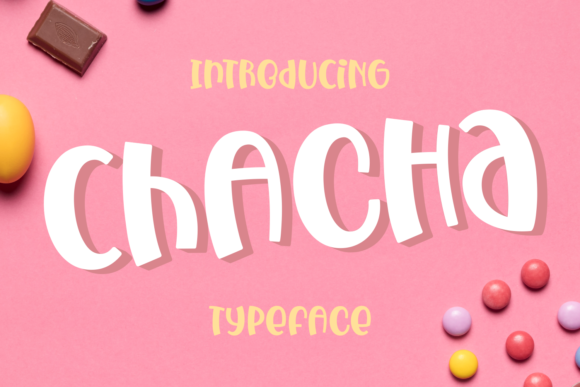
Chacha: A Whimsical Display Font for Dynamic Design Projects
Chacha is a whimsical display font that brings personality and visual interest to any design project. With its playful yet elegant character, it stands out as an excellent choice for headlines, branding elements, and creative text treatments. Whether you're designing for the web, print, or digital media, Chacha adds a unique touch that can elevate your work from ordinary to extraordinary.
Understanding the Role of Chacha in Design Workflows
Incorporating Chacha into your design workflow requires understanding how it interacts with other elements. It's important to consider the context in which the font will be used. For example, when working on a brand identity project, using Chacha for logos or taglines can help establish a memorable and distinctive visual language.
Before starting a project, it's wise to evaluate whether Chacha aligns with the tone and message of your content. This font works particularly well for projects that require a sense of fun, creativity, or approachability. However, it may not be suitable for more formal or technical documents where readability is paramount.
Using Chacha at Different Stages of a Project
Chacha can be integrated into various stages of a design process. During the initial planning phase, selecting this font early on can influence the overall direction of the project. Once the visual style is set, Chacha becomes a key asset during the execution phase, especially when creating headlines or callout sections.
After a project is completed, Chacha can still play a role in post-production tasks such as refining typography or adjusting layouts. Its versatility allows it to be used across different formats, including social media graphics, email newsletters, and website banners.
Compatibility and Integration with Other Tools
One of the advantages of using Chacha is its compatibility with a wide range of design tools. It can be easily imported into popular software like Adobe Photoshop, Illustrator, and InDesign. Additionally, it works seamlessly with web-based platforms such as Canva, Figma, and Webflow, making it accessible to both professionals and hobbyists.
When integrating Chacha with other fonts, it's important to maintain balance and harmony in the overall typographic composition. Pairing it with a complementary sans-serif font can create a visually appealing contrast while ensuring readability.
Practical Implementation Tips
To make the most of Chacha, consider the following tips:
- Use it for emphasis: Apply Chacha to headlines, subheadings, or key phrases to draw attention without overwhelming the reader.
- Experiment with spacing: Adjust letter and line spacing to enhance legibility, especially when using larger sizes.
- Limit usage: While Chacha is eye-catching, overusing it can lead to visual clutter. Reserve it for strategic points within your design.
- Test across devices: Ensure that Chacha renders well on different screen sizes and resolutions, particularly if it's being used for digital projects.
By following these guidelines, you can ensure that Chacha enhances rather than detracts from your design work.
Workflow Examples for Using Chacha
Here are a few practical scenarios where Chacha can be effectively implemented:
- Branding materials: Use Chacha for logos, business cards, and promotional materials to convey a friendly and engaging brand image.
- Wedding designs: Incorporate Chacha into invitations, programs, and thank-you notes for a charming and personalized look.
- Website headers: Employ Chacha for site titles, navigation menus, or feature banners to add visual interest without sacrificing usability.
- Email marketing: Use Chacha in subject lines or call-to-action buttons to increase engagement and open rates.
These examples illustrate how Chacha can be tailored to fit specific needs while maintaining consistency across different mediums.
Factors to Consider for Long-Term Use
When considering long-term use of Chacha, several factors come into play:
- Consistency: Establish clear typographic rules to ensure that Chacha is used consistently throughout all design outputs.
- Quality control: Review designs periodically to check for any inconsistencies or issues related to font rendering.
- Organization: Keep track of where and how Chacha is used to avoid confusion or duplication in future projects.
- Efficiency: Develop templates or style guides that include Chacha to streamline the design process and reduce rework.
By addressing these factors proactively, you can ensure that Chacha remains a valuable asset in your design toolkit.
Conclusion
Chacha is more than just a whimsical display font; it's a versatile tool that can enhance a wide range of design projects. Whether you're working on branding, headings, wedding designs, or digital content, incorporating Chacha can add a unique flair that sets your work apart. By understanding its role in the design process and implementing it thoughtfully, you can achieve professional results that resonate with your audience.